
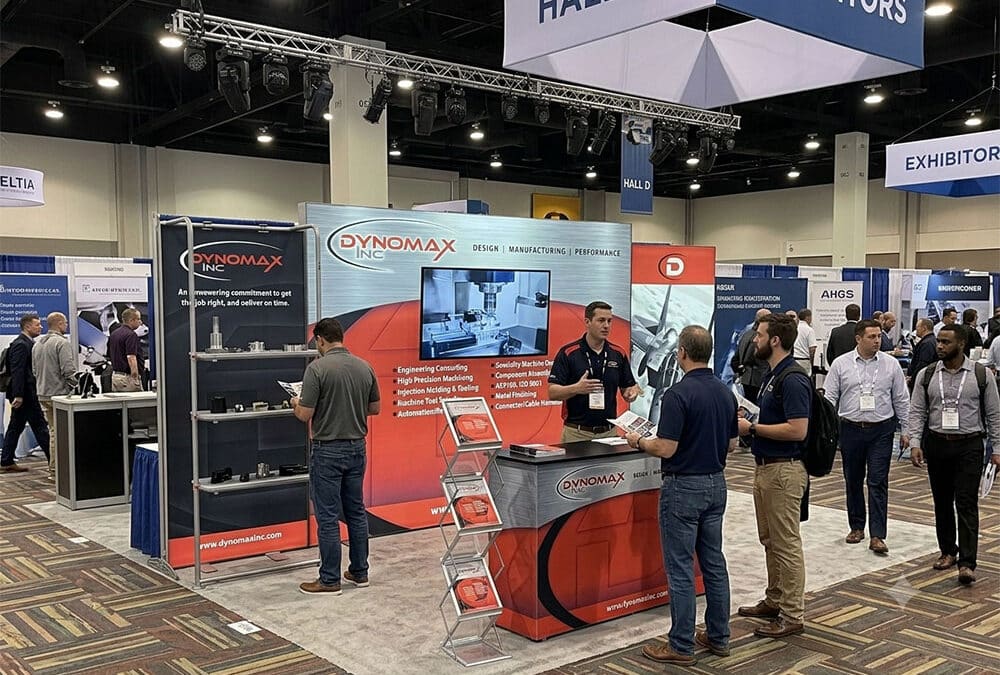
Pop-up displays often give businesses an affordable, convenient way to enter the trade show environment, especially when teams need a simple backdrop and basic branding. As companies attend more events, however, many discover that an entry-level display no longer reflects their brand or accommodates their growing exhibit needs.
Upgrading your pop-up to a professional portable system delivers a stronger visual presence while maintaining the convenience that makes lightweight displays attractive to busy exhibitors. Understanding when and how to upgrade helps businesses invest in a display that creates greater value at every event.
Recognizing When a Pop-Up No Longer Works
Pop-up displays work best when exhibitors need a straightforward graphic wall and limited accessories. Problems begin when the booth needs to support demonstrations, digital media, product displays, private conversations, or additional storage.
Crowded booths can make staff interactions harder and prevent visitors from understanding the brand quickly. When the display starts limiting marketing plans, a more capable system becomes a practical next step.
Understanding the Professional Portable Difference
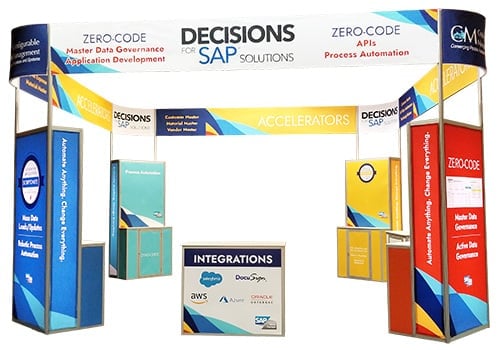
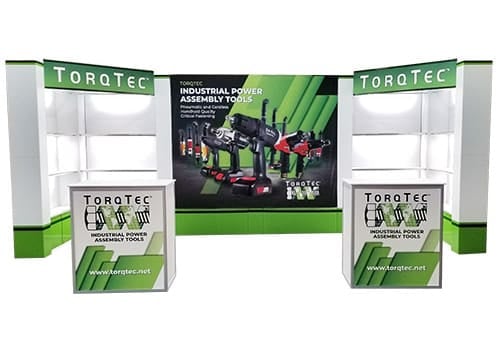
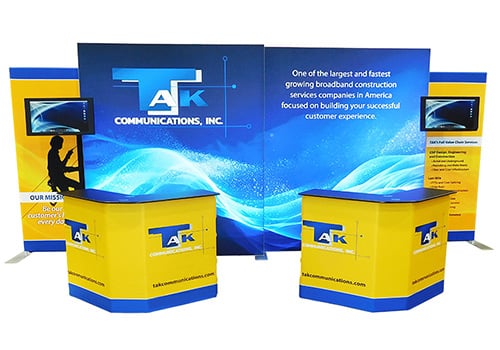
Professional portable exhibits offer more design flexibility than a basic pop-up while preserving many of the conveniences that make portable displays appealing. Depending on the configuration, businesses can add monitor mounts, lighting, and dimensional branding. These elements help turn a booth into a purposeful marketing environment instead of a simple background.
Modern portable trade show exhibits can also adapt as campaigns and event requirements change. Businesses may replace graphics or add accessories without starting over with a completely new display.
That flexibility helps companies that promote different services, enter new markets, or attend shows with varying booth sizes. A well-designed system can evolve with the brand and extend the useful life of the original investment.
Creating a Stronger Brand Presence
Trade show attendees make fast decisions about where to direct their attention. A professional display gives a business more control over visual hierarchy and calls to action that work together clearly. Large graphics can attract attention from farther away, while supporting messages provide more detail as visitors approach. This layered approach makes the booth easier to understand and gives prospects a reason to stop.
Consistency matters just as much as size or visual impact. Booth graphics should coordinate with the company website, sales materials, advertising, and other marketing channels so visitors encounter a familiar identity.
Professional systems allow designers to build around established brand standards rather than squeeze artwork into a generic backdrop. That continuity can make a small or medium-sized business look credible and established without creating an overly complicated exhibit.
Choosing Features Around Trade Show Goals
An upgrade should solve specific problems instead of adding features simply because they look impressive. A company that demonstrates software may benefit from monitor mounts and counters, while a product-focused exhibitor may need shelving or secure display areas.
Teams that prioritize conversations may prefer open floor space, comfortable meeting areas, or a larger conference room. Defining the booth’s purpose first helps every component earn its place.
Before choosing a system, businesses should consider the features that support their event strategy:
- Booth dimensions that match commonly reserved exhibit spaces
- Clear graphics that communicate the main message quickly
- Lighting that improves visibility and highlights important areas
- Counters or surfaces for demonstrations and conversations
- Storage for literature, giveaways, supplies, and personal items
- Monitor mounts for videos, presentations, or digital demonstrations
- Components that staff can assemble and repack efficiently
Planning for Setup and Movement
Portability still matters after a company upgrades its visual presence. Businesses that attend several events each year need a system that looks professional without creating unnecessary installation challenges. Lightweight frames and clearly labeled components can make setup easier for booth staff. Efficient construction can also help teams spend more time preparing for visitors and less time wrestling with exhibit hardware.
Shipping deserves the same level of planning as booth design. Cases should protect graphics and structural parts while remaining practical for the transportation methods a company uses most often. Designing around real logistics helps control show-related costs and keeps a visually impressive booth manageable.
Building Flexibility Into the Exhibit
Trade show schedules rarely stay identical from year to year. A company may use a 10-foot inline booth at one event and reserve a larger footprint at another so that an adaptable system can provide significant value. Modular components can support several layouts while maintaining the same overall brand identity.
Graphics should offer similar flexibility because marketing messages often change faster than exhibit hardware. Replaceable panels allow a company to promote a new product, update photography, revise messaging, or refresh branding while continuing to use dependable structural components.
Teams can also plan for accessories they may add later as budgets or event objectives grow. Building for future needs reduces rushed purchases and keeps the display relevant longer.
Comparing Long-Term Value, Not Just Price
Purchase price matters, but it should not become the only factor in an exhibit decision. Hardware quality, durability, design support, and expected frequency of use all influence long-term value.
A cheaper system may cost more over time if you constantly replace damaged components or if the layout cannot adapt to new needs. Businesses should compare the complete ownership experience before choosing an upgrade.
Improving Graphics and Booth Messaging
A new system creates a valuable opportunity to rethink messaging rather than simply transfer old artwork to a larger structure. Trade show visitors move quickly, so booth graphics need to communicate the most important idea within seconds.
Businesses should focus on concise headlines, recognizable logos, and focused supporting messages; these usually work better than large blocks of copy. Clear communication helps visitors understand what the company offers before a staff member begins a conversation.
Designers should also account for sightlines inside a busy booth. Counters, staff members, and visitors can block important graphics when key information sits too low or appears in crowded areas. Keeping primary branding and essential messages visible helps the display communicate even during peak traffic.
Making the Upgrade a Smarter Investment
Upgrading your pop-up into a professional portable system starts with addressing current needs while leaving room for future growth. Adaptable hardware and flexible configurations can support several event types without requiring a complete redesign. Before finalizing a purchase, consider upcoming product launches and new marketing goals that could impact your trade show goals.
Infinity Exhibits helps businesses move beyond basic displays with professional solutions designed around branding and functionality. We focus on trade show displays, exhibits, and booths while offering custom capabilities for businesses that need more specialized spaces, including conference rooms and storage areas.
Choosing the right upgrade can give booth staff a stronger environment for meeting prospects and presenting products. A well-planned portable system ultimately combines professional impact with the flexibility that growing exhibitors need. Contact Infinity Exhibits to learn more about our portable trade displays and showcase your business in the best way to potential customers.
Let's Design Your Display!
What type of display are you looking for?



WHAT CUSTOMERS SAY ABOUT US











- Maximize Product Visibility With Gridwall Display Systems - October 23, 2026
- Investing in Custom Exhibits: ROI Beyond the Show Floor - October 23, 2026
- Upgrading From a Pop-Up to a Professional Portable System - October 23, 2026
